Garage Cleanout Checklist: 10 Steps to Clear Out the Clutter and Organize Outdoor Gear
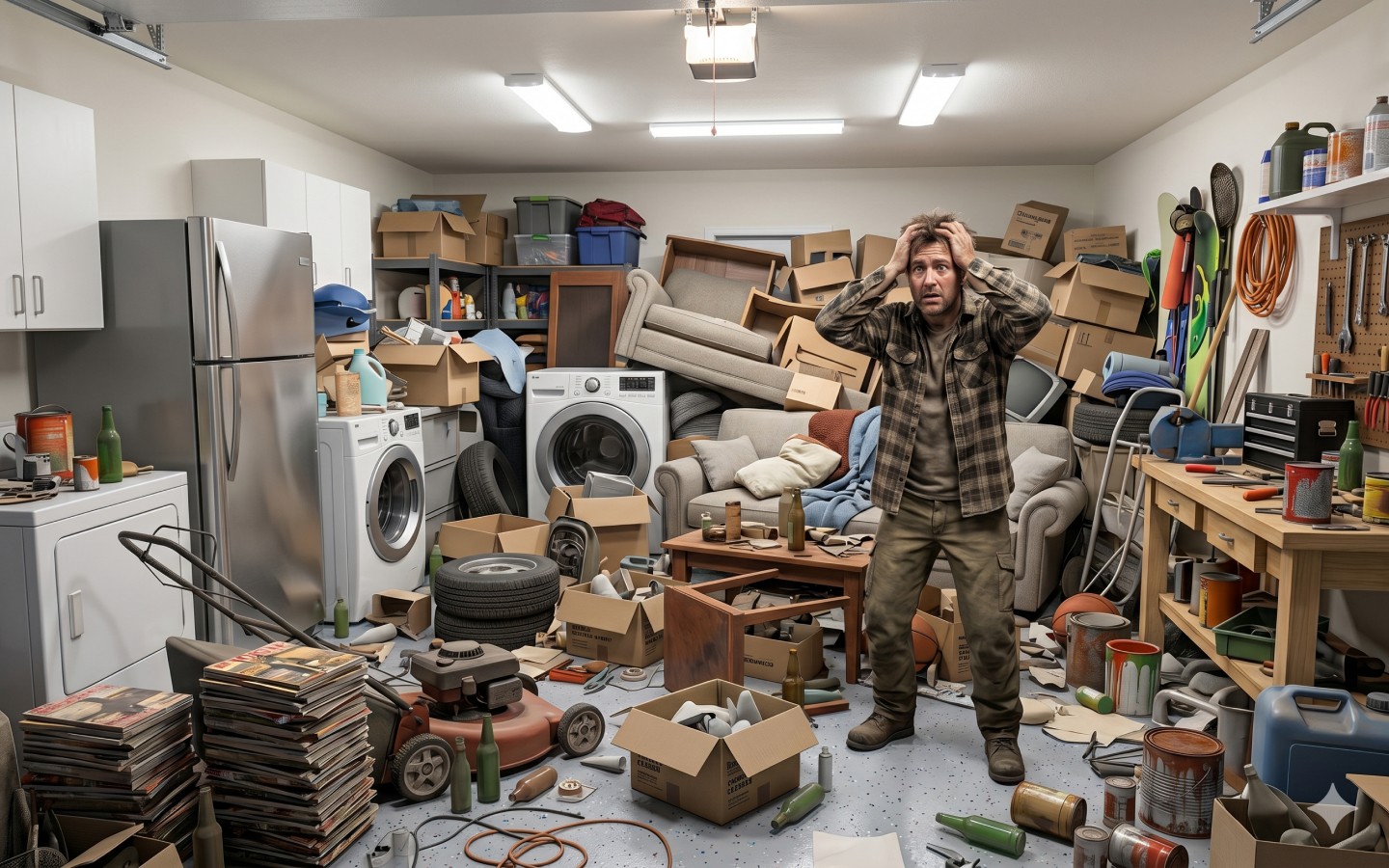
Garages have a funny way of turning into a holding zone for everything that does not have a better home. It starts innocently enough. A couple of bikes by the wall. A camping bin in the corner. A cooler that never quite made it back to the shed.
Then one season rolls into the next, and suddenly you are stepping around skis, fishing rods, beach chairs, old paint cans, and a broken shelf you meant to deal with six months ago. If that sounds familiar, you are in good company.
This checklist will help you clear the mess, make better use of the space, and set up your garage so the gear you actually use is easy to find.
Key Summary:
A garage cleanout gets easier when you break it into simple steps: sort gear by category, remove what you no longer use, clean what stays, and organize it in a way that fits your routine. The last step is getting the bulky leftover junk out, so the garage actually feels done.


1.
Start With One Clear Goal
Before you touch a single bin, decide what success looks like. Not in a dreamy, magazine-photo kind of way. In a real-life way.
Maybe you want to fit the car inside again. Maybe you are tired of hauling bikes out from behind old project scraps. Maybe you want your ski gear in one spot, or your beach and boating stuff easier to grab on a Saturday morning.
A garage cleanout goes better when the space has a job. Otherwise, everything starts to feel equally important, and that is when people stall out.
2.
Sort by Category, Not by Whatever is Closest
A common mistake is starting with the nearest pile and bouncing around from there. That usually creates a bigger mess before it creates progress.
Instead, group things by what they are used for:
Winter gear, like skis, snowboards, boots, sleds
Beach and water gear, like umbrellas, chairs, coolers, paddles
Camping supplies
Bikes, helmets, pumps, repair kits
Fishing gear
Tools and project materials
Seasonal bins and holiday storage
This part is eye-opening. Once similar items are together, you start seeing the truth of the garage a little more clearly. Three half-empty tackle boxes. Two coolers, both cracked. An old tent nobody trusts anymore. Gear gets honest when it is not scattered around.
3.
Separate What You Use From What You Keep Moving Around
Some items are still part of your routine. Others are just taking the scenic route from one side of the garage to the other.
That second group is where a lot of space disappears.
Look carefully at things like:
Bikes that no longer fit
Old skis or snowboards
Beach chairs with bent legs
Worn life jackets
Duplicate fishing gear
Old tow ropes
Outdated camping gear
Coolers that have seen better days
A question that helps here is, “Would I choose to store this if the garage were already clean?”
That lands a little differently than asking whether you might use it someday.
4.
Make Four Piles and Keep It Moving
You do not need a fancy system here. Four piles is enough for most garages.
Keep: Still useful, still safe, still part of your life.
Donate: Good condition, no longer needed.
Recycle: Materials or items your area accepts.
Toss: Broken, worn out, unsafe, or beyond the point of keeping.
You can also create a small side area for anything that needs special disposal. That keeps you from tossing the wrong items in with everything else.
One small note from experience: try not to create a giant “maybe” section. That pile loves to grow legs.
5.
Go After the Bulky Stuff Early
Small clutter is annoying. Big clutter is what really eats the garage.
Usually, the worst offenders are things like broken shelving, damaged cabinets, leftover lumber, rusted racks, worn storage bins, old workout equipment, or trailer gear that nobody uses anymore.
Once those larger pieces are out, the whole space starts to open up. You can see what you are working with, and the rest of the cleanout gets easier.
6.
Pull Out Items That Need Special Disposal
This step is easy to skip, and that is exactly why it causes problems later.
Garages tend to collect the stuff nobody wants to deal with right away. Old paint. Half-used chemicals. Leaky oil containers. Batteries sitting in a random tray. A fuel can that should have been dealt with months ago.
Set aside anything like this:
Paint
Batteries
Motor oil
Fuel containers
Marine fluids
Cleaning chemicals
Solvents
Pest products
Electronics
Propane canisters
The mix varies by household. A Denver garage may lean more toward snow-season supplies, tools, and leftover paint. A Florida garage may have boating cleaners, storm prep batteries, fuel cans, or beach gear with salt exposure. Different details, same issue. These items need their own lane.
7.
Clean What is Staying Before It Goes Back in
This part is not glamorous, but it saves you from rebuilding the mess with dirty gear.
Wipe things down. Dry them fully. Check them before they go back into storage.
A few common examples:
Rinse sand and salt off beach gear
Wipe down skis and snowboards
Brush mud off bikes and camping items
Empty coolers completely
Check fishing gear for rust
Inspect storage bins for mildew or moisture damage
Florida garages can turn damp gear musty in a hurry. Denver garages have their own version of wear, dirt, slush residue, road grime, seasonal dust. Either way, if gear goes back dirty, the garage never really feels reset.
8.
Organize Around How You Actually Live
This is where the garage starts becoming useful again.
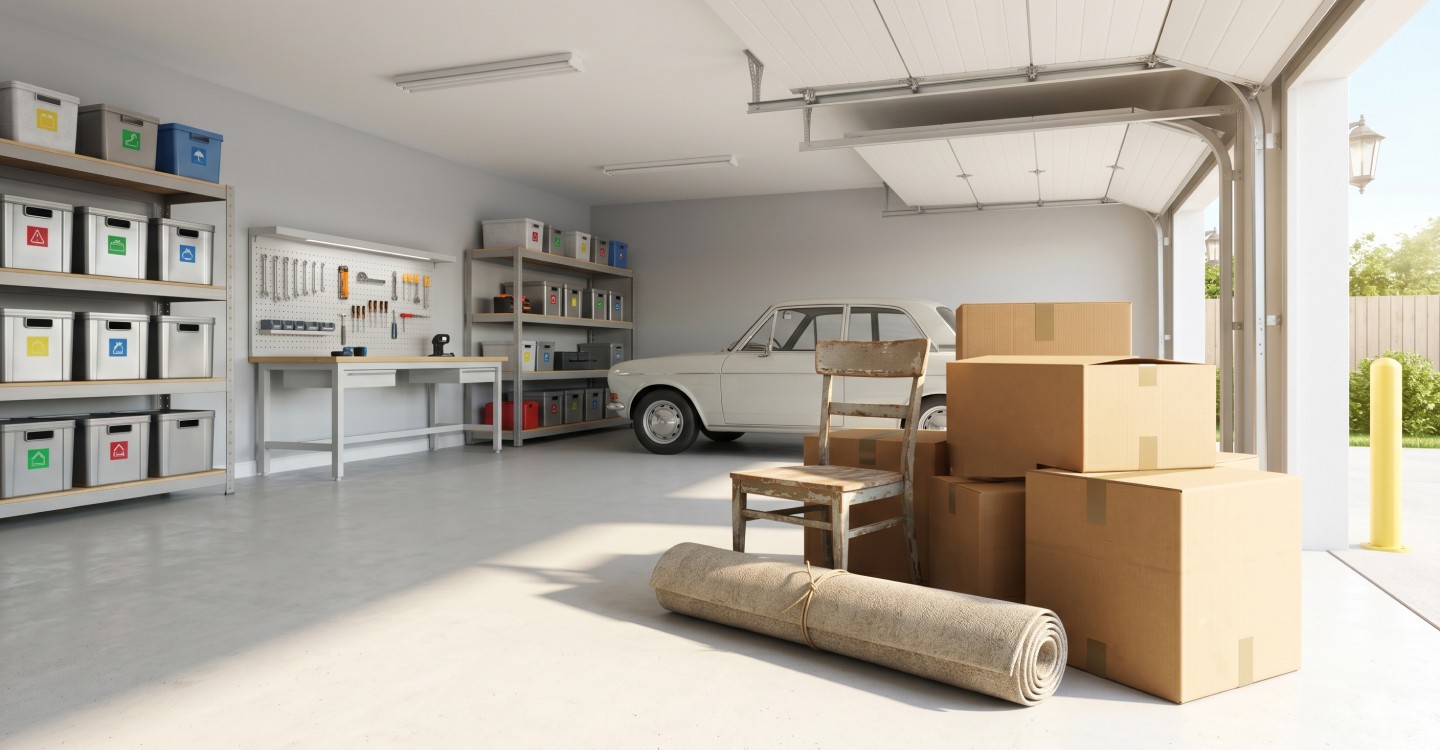
Try grouping things by season or activity, not by whatever shelf happens to be open. Winter gear together. Fishing gear together. Beach and water items in one zone. Camping supplies in labeled bins. Tools near the equipment they support.
A few practical rules go a long way:
Keep the most-used gear easy to reach
Push off-season items higher or farther back
Store similar things together
Avoid burying everyday gear behind once-a-year stuff
The best storage setups usually look pretty ordinary. That is kind of the point. They work because they match daily life.
9.
Use Better Storage for the Weird Stuff
Garage gear is awkward by nature. It is long, bulky, heavy, or shaped like it was designed to annoy shelving.
So instead of forcing everything into the wrong spot, build around the gear.
Good options often include:
Wall mounts for bikes
Vertical storage for skis and snowboards
Hooks for paddles, chairs, cords, folding wagons
Shelves for coolers and bins
Small containers for fishing accessories
Low, sturdy storage for heavy items
Also, label bins like you mean it. “Beach towels and sand toys” works. A label like "Miscellaneous garage" isn't helpful because it doesn't tell you what the bin actually holds.
10.
Get the Leftover Junk Out So the Cleanout Actually Ends
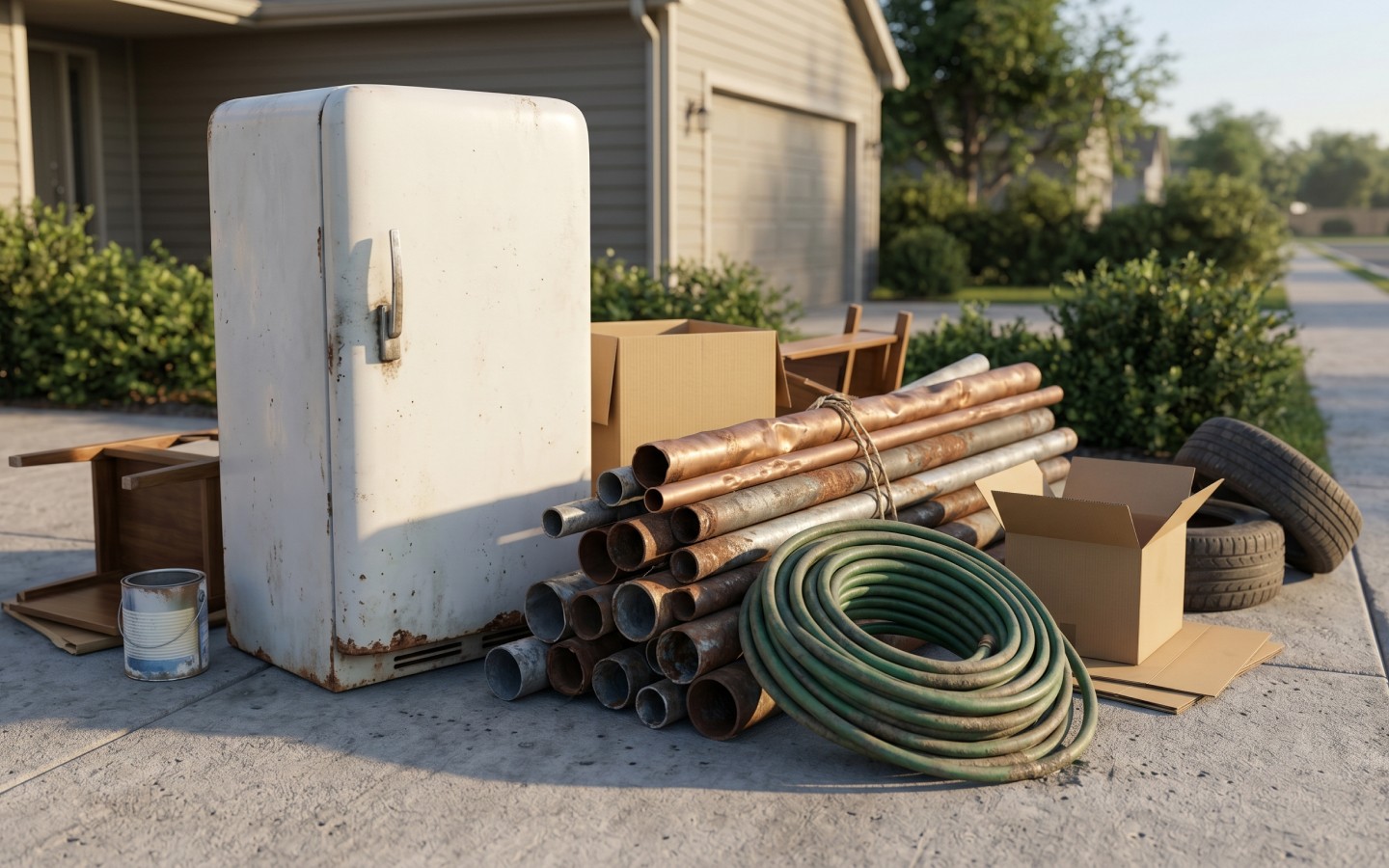
Even after a solid cleanout, there is usually one last pile nobody wants to deal with. Broken shelves, damaged bins, rusted racks, old chairs, remodel debris, or gear that is too bulky to haul away easily. That last pile is often what keeps the garage from ever feeling done.
We, at UpWaste, see this all the time. People sort everything, donate what they can, and get the garage looking better, but the leftover junk still sits there because it is heavy, awkward, or just too much to deal with in a regular car.
Getting rid of that final pile is what turns a partial cleanout into a garage that actually works again.
Final Words
A garage does not need to look polished to be a win. It just needs to stop working against you. When the broken stuff is out, the gear you actually use has a real place, and you are no longer shuffling the same dead-weight items from one corner to another, the whole space feels easier.
You notice it right away. Mornings move faster. Weekend plans are less of a production. You are not digging through nonsense to find a bike pump or a beach bag.
And if the last sticking point is a stubborn heap of bulky junk, UpWaste, can help clear that out so the reset sticks.

An estate cleanout usually starts small. You go in to find a few papers, maybe clear one closet, and pretty soon the whole place feels like it is asking questions at once. What needs to be saved? What can go? Who is deciding?
Read More
Garages have a funny way of turning into a holding zone for everything that does not have a better home. It starts innocently enough. A couple of bikes by the wall. A camping bin in the corner.
Read More
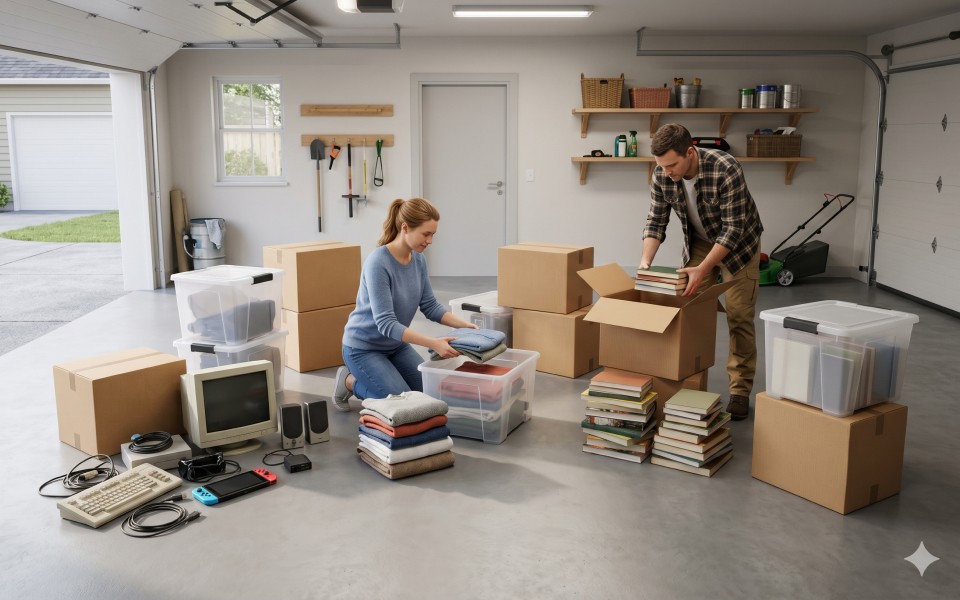
Earth Day has a funny way of making people look around and think, “Wow, where did all this stuff come from?” A garage fills up. Leftover remodeling debris hangs around for months. Cardboard stacks up in a corner like it pays rent.
If you are planning a cleanup, a little sorting up front can make the whole job easier, cleaner, and a lot more responsible.
Read More