Estate Cleanout Checklist for Families and Executors
An estate cleanout usually starts small. You go in to find a few papers, maybe clear one closet, and pretty soon the whole place feels like it is asking questions at once.
What needs to be saved? What can go? Who is deciding? Then there is the emotional side of it, which tends to show up when you least expect it.
A checklist will not make the job easy, but it does make it feel less scattered. That matters.
This guide is meant to sit next to the printable checklist and make it easier to use. Nothing fancy here, just a clear way to move through the main steps without getting lost in the weeds.


Start With a Clear Plan
Before you touch a single bin, decide what success looks like. Not in a dreamy, magazine-photo kind of way. In a real-life way.
Maybe you want to fit the car inside again. Maybe you are tired of hauling bikes out from behind old project scraps. Maybe you want your ski gear in one spot, or your beach and boating stuff easier to grab on a Saturday morning.
A garage cleanout goes better when the space has a job. Otherwise, everything starts to feel equally important, and that is when people stall out.
Gather Important Documents and Set Aside Keepsakes
Before the real sorting starts, pull out the things that should not be mixed in with the rest.
That includes wills, trust papers, financial records, tax documents, insurance paperwork, deeds, titles, medical records, military records, and passwords or account details. Put them in one safe spot right away.
Then do the same for sentimental items. Photos, letters, heirlooms, and personal keepsakes have a way of hiding in drawers, closets, and random boxes. Set those aside early. You do not need to decide their future on the spot. Right now, the goal is simple: do not lose them.
Talk With Family Members Early
A short conversation now can prevent a bigger one later. Find out who wants to be involved. Some people may want updates along the way. Others may only care about a few meaningful items.
It also helps to talk about sentimental belongings before the cleanout gets rolling. Expectations are easier to manage when nobody feels blindsided.
Pick one easy way to share updates too. A group text, shared note, or one main point person can keep things from turning into a game of telephone.
Sort Belongings Into Simple Categories
Once the important papers and keepsakes are safe, the rest usually goes smoother with a basic sorting system.
Use categories like:
Keep
Donate
Sell
Recycle
Discard
Sentimental items to review later
That last category earns its keep. Some things are hard to decide on at the moment. A review-later box lets you keep moving without forcing every emotional choice right then and there.
Work One Room at a Time
Whole-house cleanouts sound efficient in theory. In real life, they usually become chaotic.
One room is enough. Start with lower-emotion areas if you can, bathrooms, closets, storage spaces, laundry rooms. Those areas tend to be easier, and getting a few quick wins can help the rest of the house feel less daunting.
Label boxes and bins as you go. Keep the important documents and keepsakes in their own separate area. It is a small step, but it saves a lot of second-guessing later.
Separate Donation and Sale Items
Not everything belongs in a junk pile. Furniture in decent shape, clothing, books, tools, kitchen items, and household goods may be worth donating. A few things may be worth selling too.
Just be realistic about it. Sometimes selling makes sense. Sometimes it drags the whole process out over items that are not really worth the trouble.
A quick gut check helps here. If listing it, storing it, and waiting on a buyer sounds like more hassle than it is worth, donation may be the better call.
Plan for Large or Heavy Items
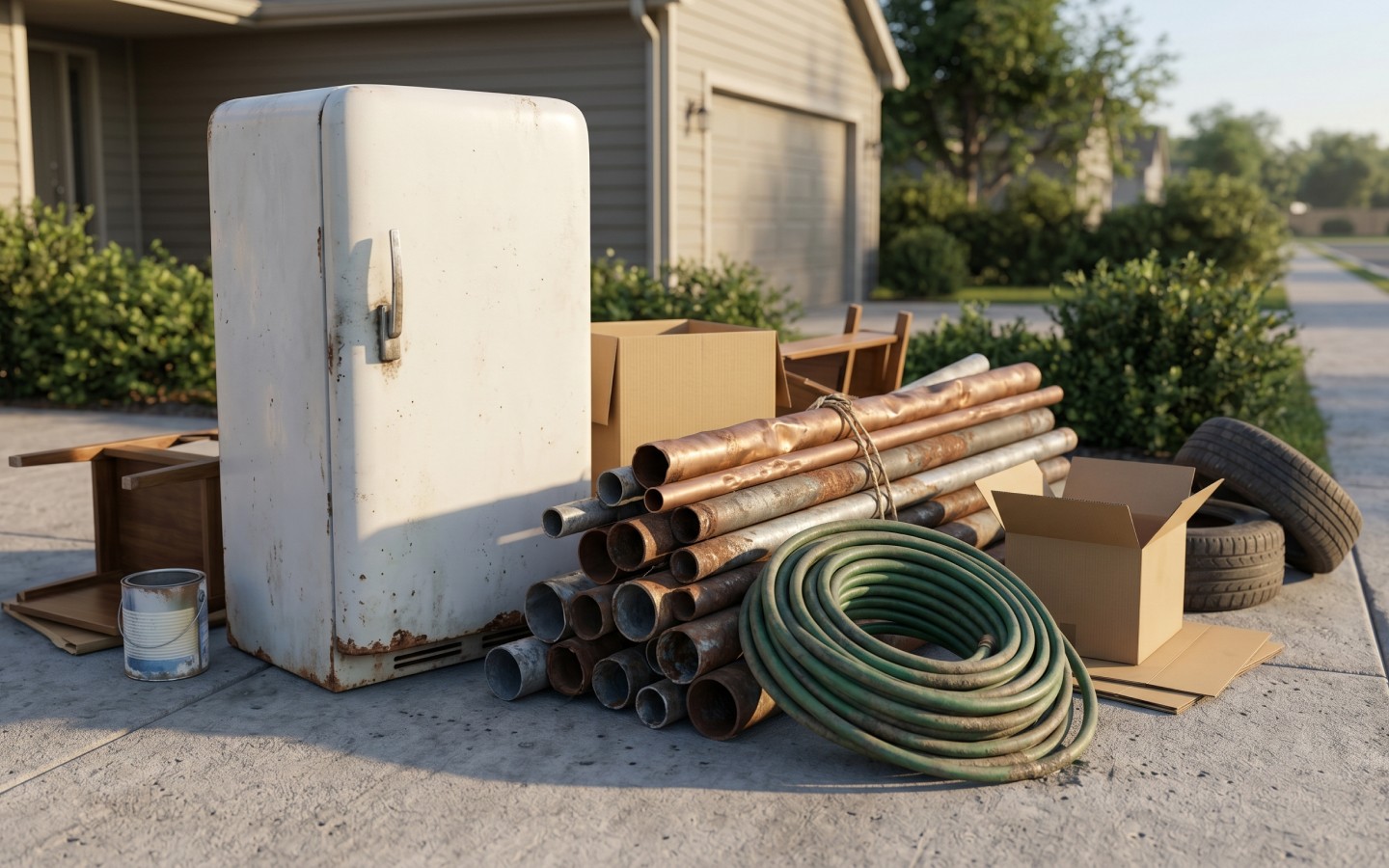
This is the stage where many cleanouts slow down. The small stuff gets boxed up, the papers are sorted, and then you are left staring at the bulky pieces.
These items like couches, mattresses, dressers, tables, appliances, and exercise equipment take more planning, more lifting, and usually more patience.
Also, keep an eye out for things that need special handling, like paint, batteries, cleaning chemicals, electronics, fuel containers, pesticides, propane tanks, and solvents. Those should be separated from regular junk.
Final Cleanout Step
By the end, what is left is often the stuff nobody wants to deal with. Broken furniture, damaged household items, garage leftovers, and awkward bulky clutter tend to stick around until the last round.
That is usually the point where extra help makes the biggest difference. UpWaste can help remove furniture, heavy items, and leftover junk so the final stretch does not fall entirely on the family or executor.
A Simple Checklist Can Keep Things Moving
An estate cleanout does not have to be done perfectly to be done well. Some days will feel productive. Some will not. That is normal. What helps is having a simple system, sticking to it, and letting progress happen one step at a time.
Use the printable Estate Cleanout Checklist to stay organized through the process. When it comes time to clear out the heavy furniture and leftover clutter, UpWaste can help take that last piece off your plate.

An estate cleanout usually starts small. You go in to find a few papers, maybe clear one closet, and pretty soon the whole place feels like it is asking questions at once. What needs to be saved? What can go? Who is deciding?
Read More
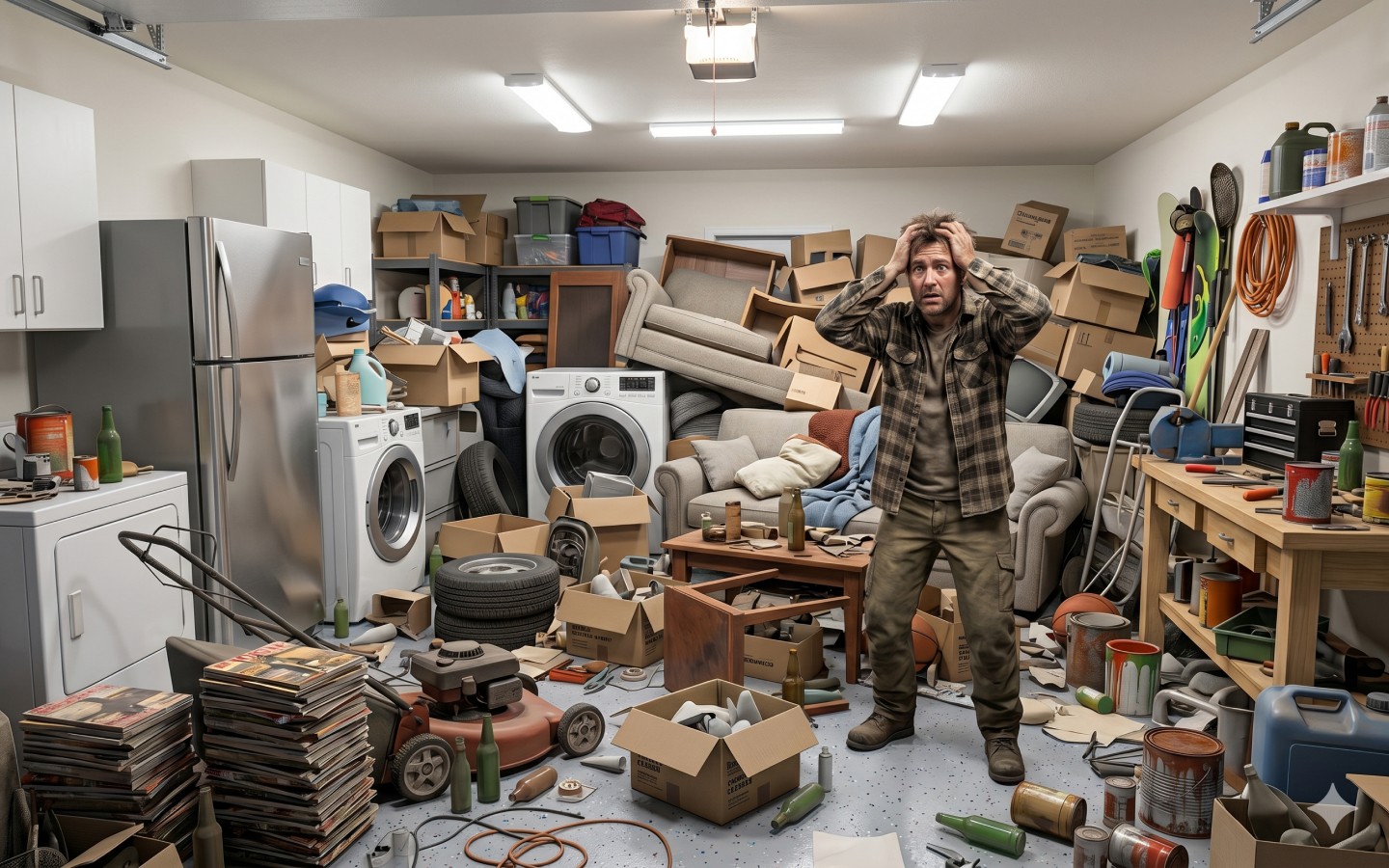
Garages have a funny way of turning into a holding zone for everything that does not have a better home. It starts innocently enough. A couple of bikes by the wall. A camping bin in the corner.
Read More
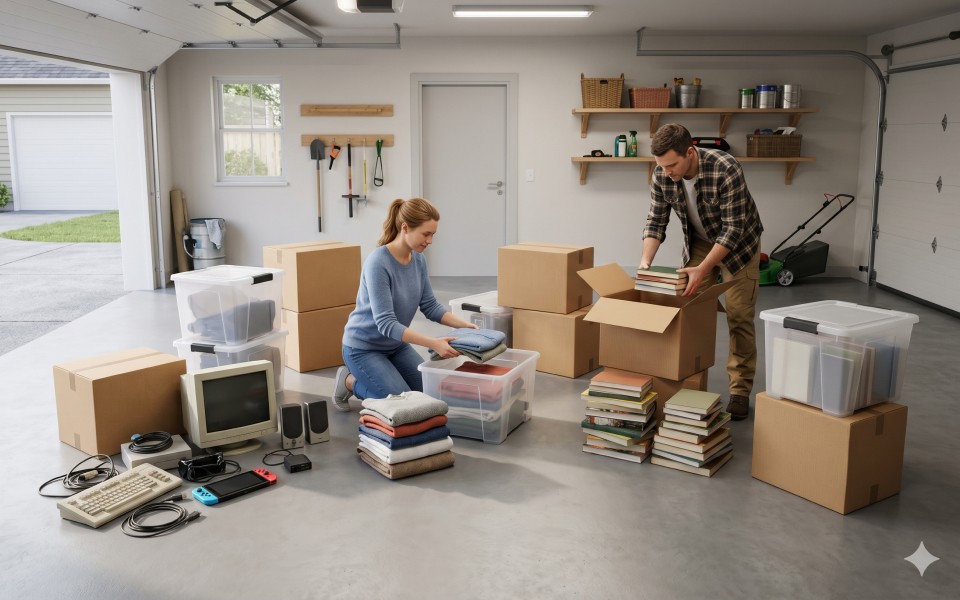
Earth Day has a funny way of making people look around and think, “Wow, where did all this stuff come from?” A garage fills up. Leftover remodeling debris hangs around for months. Cardboard stacks up in a corner like it pays rent.
If you are planning a cleanup, a little sorting up front can make the whole job easier, cleaner, and a lot more responsible.
Read More